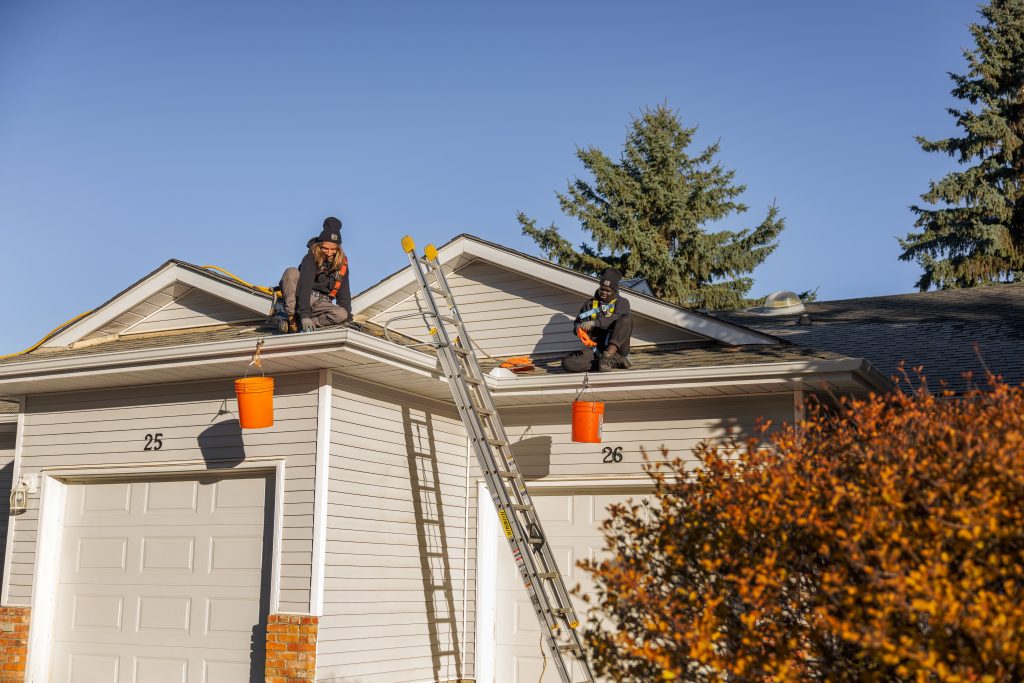
As summer comes to an end and cooler temperatures begin to settle in, homeowners should start thinking about preparing their roofs for the months ahead. Fall is the perfect time to inspect your roof, remove accumulated debris, and address potential problems before rain, snow, ice, and freezing temperatures arrive.
Your roof is your home’s first line of defense against the elements. Throughout the year, it is exposed to sun, wind, rain, falling leaves, and organic growth. Without regular maintenance, small issues can turn into costly repairs, especially during winter when harsh weather makes roofing problems more difficult to address.
Taking the time for proper roof preparation for fall can help extend the life of your roofing materials, reduce the risk of moisture-related problems, and keep your home better protected throughout the winter season.
Here are some important steps every homeowner should consider when preparing their roof for colder weather.
1. Schedule an Autumn Roof Inspection
One of the first steps in preparing your home for winter is completing an autumn roof inspection.
After months of summer weather, your roof may have accumulated debris or developed damage that isn’t immediately noticeable from the ground. A thorough inspection can help identify potential concerns before freezing temperatures make repairs more challenging.
Look for:
- Missing, cracked, or damaged shingles
- Loose or lifted roofing materials
- Moss, algae, or lichen growth
- Leaves, branches, and other accumulated debris
- Damaged flashing around chimneys and vents
- Signs of water stains or leaks inside the attic
Pay particular attention to areas where different roof sections meet, as well as valleys where water naturally collects.
If you notice anything unusual, consider having a roofing professional assess the condition of your roof. Addressing minor issues early can help prevent more extensive damage later.
Pro tip: You don’t need to climb onto your roof to perform a basic visual inspection. Use binoculars to check visible areas from the ground, and leave closer inspections to trained professionals.
2. Remove Leaves, Branches, and Roof Debris
Fall brings beautiful colours, but it also means leaves, pine needles, small branches, and other organic debris can accumulate on your roof.
When debris sits on roofing materials for extended periods, it can trap moisture and create ideal conditions for moss and algae growth. This is particularly common in shaded areas or on roofs surrounded by mature trees.
Before winter arrives:
- Remove fallen leaves and branches.
- Clear debris from roof valleys.
- Check areas around chimneys and vents.
- Pay attention to sections beneath overhanging trees.
- Make sure roof drainage areas are free of obstructions.
Keeping your roof clear helps prevent moisture from becoming trapped against the roofing surface.
Regular debris removal is an important part of winter roof protection, particularly in regions that experience heavy rainfall, snow, and freezing temperatures.
3. Remove Moss and Algae Before Winter
Moss and algae are more than just cosmetic problems. They can affect the condition and lifespan of your roofing materials if left untreated.
Moss retains moisture and can grow underneath and around shingles. As it spreads, it may lift shingle edges, interfere with proper water drainage, and increase the risk of moisture-related damage.
Roofs surrounded by trees or located in shaded areas are especially susceptible because they receive less sunlight and stay damp for longer periods.
Fall is an excellent time to address moss growth before winter conditions arrive.
Professional roof cleaning can help remove organic buildup using appropriate, non-abrasive methods. Gorilla Property Services follows a roof-cleaning approach designed to protect roofing materials while removing moss and debris.
For asphalt shingles, high-pressure washing should never be used, as it can strip away protective granules and damage the roofing surface. A suitable soft-wash treatment is a safer alternative when performed correctly.
Removing moss and algae as part of your regular maintenance routine can help extend the life of your roof and improve your home’s overall appearance.
4. Clean Your Gutters and Check Downspouts
Your roof and gutter system work together to direct rainwater and melting snow away from your home. Even a well-maintained roof can experience drainage problems if the gutters are clogged.
During fall, leaves and debris can quickly accumulate inside gutters and downspouts. When water cannot flow freely, it may overflow, collect around your foundation, or freeze during colder temperatures.
As part of your roof preparation for fall, make sure to:
- Remove leaves and debris from gutters.
- Check downspouts for blockages.
- Make sure water flows freely through the system.
- Look for loose or sagging gutter sections.
- Ensure downspouts direct water away from the foundation.
Clean gutters are particularly important before winter because blocked drainage can contribute to ice buildup and other moisture-related issues.
Consider scheduling roof cleaning and gutter cleaning together. Removing debris from the roof can cause additional material to move toward the gutters, so having both services completed during the same visit helps keep the entire drainage system clear.
5. Check Your Attic Ventilation and Insulation
Proper attic ventilation and insulation play an important role in protecting your roof during winter.
When warm air from inside your home escapes into the attic, it can heat the roof unevenly. This may cause snow on the roof to melt and then refreeze near colder roof edges, contributing to ice dam formation.
Ice dams can prevent melting snow from draining properly and may allow water to back up beneath roofing materials.
To help reduce the risk:
- Check that attic insulation is adequate and evenly distributed.
- Make sure attic vents are not blocked.
- Look for signs of condensation or excess moisture.
- Check for visible water stains or mould.
- Have ventilation concerns assessed by a qualified professional.
Cleaning your roof and gutters is an important part of winter preparation, but it is not a complete solution for ice dams. Proper insulation, ventilation, and indoor air sealing are also essential.
6. Trim Overhanging Tree Branches
Trees add beauty and shade to your property, but branches hanging directly over your roof can create maintenance challenges.
During fall, leaves and small branches can accumulate on roofing surfaces. In winter, heavy snow and ice can place additional weight on tree limbs, increasing the possibility of branches breaking and damaging your roof.
Consider trimming branches that:
- Hang directly over the roof.
- Touch or scrape against roofing materials.
- Drop large amounts of leaves and debris.
- Appear damaged, weak, or unstable.
Regular tree maintenance can reduce the amount of debris reaching your roof and help minimize the risk of storm-related damage.
For large branches or trees close to power lines, contact a qualified tree-care professional rather than attempting the work yourself.
7. Inspect Flashing, Vents, and Roof Penetrations
Some of the most vulnerable areas of your roof are not the shingles themselves but the places where different materials meet.
Flashing is installed around chimneys, skylights, vents, and other roof openings to help prevent water from entering your home.
Over time, flashing can become loose, damaged, or deteriorated.
During your autumn roof inspection, pay attention to:
- Flashing around chimneys.
- Skylight seals.
- Roof vents and pipe openings.
- Visible gaps or damaged sealant.
- Areas where roofing materials meet walls.
If you notice signs of deterioration, arrange for a qualified roofing contractor to assess the issue before winter weather arrives.
Even a small opening can allow water to enter and cause damage to insulation, ceilings, and interior finishes.
8. Prepare for Snow and Ice Accumulation
If your area experiences significant snowfall, it’s important to understand how winter weather can affect your roof.
Heavy snow accumulation can place additional weight on roofing structures, while repeated freezing and thawing can create challenging conditions for drainage.
Here are a few ways to prepare:
- Have your roof inspected if it is older or has a history of problems.
- Make sure gutters and downspouts are clear.
- Address visible roofing damage before snowfall.
- Check that attic ventilation is functioning properly.
- Have a plan for professional snow removal if your roof requires it.
Never attempt to remove heavy snow or ice from your roof without the proper equipment and training. Improper snow removal can damage shingles and create serious safety risks.
Your Fall Roof Maintenance Checklist
Before winter arrives, use this checklist to make sure your roof is ready:
☐ Schedule an autumn roof inspection
☐ Remove leaves, branches, and accumulated debris
☐ Check roof valleys and drainage areas
☐ Inspect for moss, algae, and lichen growth
☐ Arrange professional roof cleaning if needed
☐ Clean gutters and downspouts
☐ Check attic insulation and ventilation
☐ Trim overhanging tree branches
☐ Inspect flashing around chimneys, skylights, and vents
☐ Address visible damage before freezing temperatures arrive
☐ Plan for potential snow and ice accumulation
Protect Your Roof This Fall With Gorilla Property Services
Your roof works hard throughout the year to protect your home, but it also needs regular attention to stay in good condition.
Completing an autumn roof inspection, removing organic debris, and addressing moss growth before winter can help reduce maintenance concerns and protect your investment.
Gorilla Property Services offers professional roof cleaning and moss removal for residential and commercial properties. Our services include clearing leaves, branches, and debris from rooftops and valleys, using appropriate non-abrasive cleaning methods, and providing before-and-after photos so you can see the results.
Our trained teams prioritize safety and use proper fall-protection equipment when working at heights.
Whether your roof needs seasonal debris removal or professional moss treatment, our local Gorilla team can help you prepare your property for the colder months.
Don’t wait until winter weather exposes a problem with your roof. Take care of your property now and enjoy greater peace of mind throughout the season.
Contact Gorilla Property Services today for a free, no-obligation quote and let our team help protect your roof before winter arrives.