Spring is one of the most important times of year for property managers and building owners. After months of harsh weather, snow accumulation, and freezing temperatures, buildings often require detailed inspections and maintenance to prevent long-term damage. A thorough spring maintenance checklist for strata buildings ensures that potential issues are addressed early, protecting property value and avoiding costly repairs.
For strata councils, facility managers, and commercial property owners, spring is the ideal time to conduct a full exterior property inspection and perform essential seasonal building maintenance tasks. From roof inspections to parking lot repairs, every part of the building’s exterior should be evaluated after winter.
This guide outlines the ultimate spring maintenance checklist for strata buildings, helping property managers maintain safe, clean, and well-functioning properties throughout the year.
Why Spring Maintenance Is Critical for Strata & Commercial Properties
Winter weather can take a serious toll on buildings. Freeze–thaw cycles, snow loads, and road salt exposure often cause damage that may not be immediately visible. Without regular strata building maintenance, small problems can quickly escalate into expensive repairs.
Spring is the ideal time for preventative maintenance commercial property inspections because:
- Snow and ice have melted, revealing winter damage
- Warmer temperatures allow repairs and cleaning to be completed efficiently
- Spring storms require fully functioning drainage systems
- Landscaping and exterior areas need preparation for summer
A well-planned property manager spring checklist ensures that every component of the building exterior is inspected and maintained.
By conducting a detailed building envelope inspection, property managers can identify structural issues, moisture problems, and areas needing repair before they worsen.
Building Envelope Inspection: The First Step
One of the most important elements of a spring maintenance checklist for strata buildings is a complete building envelope inspection. The building envelope includes all exterior components that separate the interior from the outside environment.
This includes:
- Roofing systems
- Exterior walls and facades
- Windows and doors
- Balconies and railings
- Foundations and structural supports
A professional exterior building inspection ensures these components are functioning properly and protecting the building from water intrusion and structural damage.
During a typical exterior property inspection, professionals check for:
- Visible cracks or deterioration
- Signs of water penetration
- Loose materials or damaged siding
- Sealant failures around windows and doors
Early detection through seasonal building maintenance helps avoid extensive structural repairs in the future.
Roof Inspection Checklist
The roof is one of the most vulnerable parts of any building during winter. Heavy snow loads, ice dams, and fluctuating temperatures can cause damage that is difficult to detect without a thorough inspection.
A detailed roof inspection checklist should include the following:
Check for Structural Damage
Inspect the roof surface for:
- Missing or damaged shingles
- Membrane punctures or tears
- Sagging areas or uneven surfaces
These issues can allow water to enter the building and lead to costly repairs.
Inspect Flashing and Seals
Flashing around chimneys, vents, and roof edges should be inspected for signs of damage or separation. Failed seals are a common source of leaks in commercial buildings.
Drainage and Downspout Inspection
Roof drainage systems are critical for directing water away from the building. During the inspection, ensure that:
- Drains are clear of debris
- Downspout inspection confirms water can flow freely
- No pooling water is present on flat roofs
Proper drainage is essential for protecting the building structure during spring rainstorms.
Gutter and Drainage System Maintenance
For strata complexes and commercial properties, gutter cleaning commercial building systems is a key part of spring maintenance. Gutters often accumulate leaves, dirt, and debris over the winter months.
If not cleaned regularly, clogged gutters can cause serious issues such as:
- Roof leaks
- Water overflow damaging siding
- Foundation water infiltration
A complete drainage inspection should also include checking:
- Downspouts for blockages
- Drainage flow away from foundations
- Signs of water pooling near the building
Maintaining gutters and drainage systems protects both the building envelope and surrounding landscaping.
Facade and Exterior Wall Inspection
Exterior walls and building facades are constantly exposed to environmental conditions. Over time, freezing temperatures and moisture can cause cracking and deterioration.
A detailed facade inspection should examine all visible exterior surfaces, including:
- Brick or stonework
- Stucco finishes
- Vinyl or aluminum siding
- Exterior trim and architectural elements
During the inspection, look for:
- Cracks or gaps
- Discoloration from water damage
- Loose materials
- Bulging or shifting surfaces
Siding Inspection
A thorough siding inspection ensures the building exterior is sealed properly and protected from moisture.
Signs of siding damage may include:
- Warped or cracked panels
- Loose fasteners
- Mold or mildew buildup
- Water stains
Repairing siding early helps maintain building insulation and structural integrity.
Stucco Crack Repair
Many strata buildings use stucco as an exterior finish. While durable, stucco can develop cracks over time.
Professional stucco crack repair prevents water penetration and helps maintain the building’s appearance. Even small cracks should be addressed quickly to prevent larger structural issues.
Window and Exterior Seal Inspections
Windows are another common source of energy loss and water infiltration. Spring is the ideal time to perform a detailed window seal inspection as part of the facility maintenance checklist.
Check for:
- Damaged weather stripping
- Cracked or deteriorating seals
- Condensation between panes
- Drafts or air leaks
Exterior Caulking Inspection
Seals around windows, doors, and siding should also be evaluated during an exterior caulking inspection.
Caulking can degrade over time due to temperature changes and UV exposure. Replacing worn sealant helps prevent water damage and improves building energy efficiency.
Balcony Inspection for Strata Buildings
Balconies are a major structural feature in many strata buildings, and they require regular inspections to ensure safety.
A professional balcony inspection strata checklist should include:
- Structural stability of balcony slabs
- Railings and guardrails
- Waterproof membranes
- Drainage systems
Water accumulation or structural deterioration can create safety hazards if not addressed promptly.
Spring is the ideal time to assess balcony conditions and schedule necessary repairs.
Foundation Inspection
The building foundation supports the entire structure and should always be included in a spring maintenance checklist for strata buildings.
During a foundation inspection, professionals check for:
- Cracks in concrete walls
- Signs of shifting or settlement
- Water infiltration or damp areas
- Soil erosion near the foundation
Spring thaw can reveal foundation issues caused by winter freeze–thaw cycles. Addressing these problems early prevents long-term structural damage.
Parkade and Underground Parking Inspections
Many commercial buildings and strata complexes include underground parkades or parking garages. These areas are heavily impacted by winter conditions, especially from road salt and moisture.
A detailed parkade inspection should evaluate:
- Structural concrete integrity
- Drainage systems
- Lighting and ventilation
- Safety markings
Concrete Crack Repair
Winter temperature fluctuations often cause concrete expansion and contraction, leading to cracks.
Professional concrete crack repair restores structural integrity and prevents moisture penetration that can weaken concrete over time.
Maintaining parkades is a critical component of commercial property maintenance, ensuring safety for residents and visitors.
Parking Lot Maintenance and Safety
Exterior parking areas are another important focus of spring maintenance. Snow removal equipment, salt, and winter debris often leave parking lots damaged and dirty.
A proper parking lot maintenance checklist should include:
- Cleaning debris and dirt
- Inspecting pavement condition
- Repairing potholes or cracks
- Evaluating drainage flow
Line Painting Parking Lot
After winter, parking lot lines often fade or become difficult to see. Scheduling line painting parking lot services improves traffic flow and safety.
Clear parking lines also enhance the overall appearance of the property and help maintain compliance with accessibility regulations.
Drainage and Water Management Systems
Water management plays a critical role in protecting buildings from structural damage. Spring rainstorms can quickly expose weaknesses in drainage systems.
A comprehensive drainage inspection should check:
- Surface grading around buildings
- Downspout functionality
- Drainage channels and catch basins
- Water flow away from foundations
Addressing drainage issues early prevents flooding, erosion, and foundation damage.
Creating an Effective Property Manager Spring Checklist
For property managers overseeing large complexes, organization is key. A structured property manager spring checklist ensures nothing is overlooked during inspections.
An effective facility maintenance checklist should include:
Structural Inspections
- Roof inspection checklist
- Facade inspection
- Foundation inspection
- Balcony inspection strata
Water Management
- Gutter cleaning commercial building
- Downspout inspection
- Drainage inspection
Exterior Surfaces
- Siding inspection
- Stucco crack repair
- Exterior caulking inspection
Parking Areas
- Parkade inspection
- Concrete crack repair
- Parking lot maintenance
- Line painting parking lot
Completing these tasks each spring ensures thorough seasonal building maintenance and supports long-term property preservation.
The Importance of Preventative Maintenance for Commercial Property
Reactive maintenance—waiting until something breaks—is one of the most expensive ways to manage buildings.
A proactive approach through preventative maintenance commercial property programs helps property owners:
- Reduce emergency repair costs
- Extend the lifespan of building components
- Maintain property value
- Improve safety for tenants and visitors
Regular exterior property inspection routines allow property managers to identify minor issues before they become major problems.
Preventative maintenance is particularly important for large strata complexes where multiple residents rely on the safety and functionality of shared spaces.
Why Professional Exterior Inspections Matter
While some basic inspections can be performed internally, professional services provide a deeper level of expertise.
Experienced technicians understand how to identify subtle warning signs during a building envelope inspection, including structural stress points, moisture damage, and material deterioration.
Professional inspections also provide detailed documentation that can help strata councils and property managers plan future maintenance budgets.
By working with experts, property managers ensure that all aspects of strata building maintenance are addressed correctly and efficiently.
Partnering with Gorilla Property Services
Managing a commercial property or strata complex requires attention to detail and consistent maintenance. Professional service providers can help property managers implement a complete spring maintenance checklist for strata buildings and keep properties operating at their best.
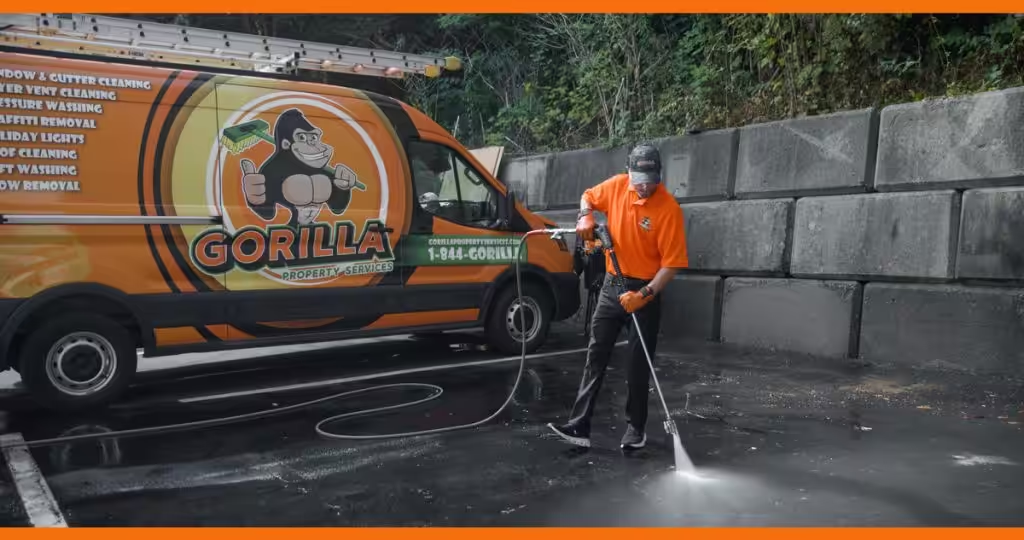
Gorilla Property Services specializes in comprehensive commercial property maintenance, exterior inspections, and cleaning services for strata and commercial buildings.
Our experienced team supports property managers with services such as:
- Exterior property inspections
- Pressure washing and exterior cleaning
- Parking lot maintenance and line painting
- Gutter cleaning for commercial buildings
- Concrete crack repair and exterior maintenance
With professional equipment and trained technicians, we help ensure buildings remain safe, clean, and visually appealing year-round.
Keep Your Property Protected This Spring
Spring is the perfect time to evaluate the condition of your building and address issues caused by winter weather. By following a structured spring maintenance checklist for strata buildings, property managers can protect building systems, improve safety, and extend the lifespan of key structural components.
From roof inspections and drainage checks to parking lot maintenance and facade repairs, a complete exterior property inspection ensures nothing is overlooked.
Regular seasonal building maintenance and proactive preventative maintenance commercial property strategies help property managers avoid costly repairs while maintaining the highest standards for tenants and visitors.
If you manage a commercial building or strata complex and want professional support with your spring inspections and exterior maintenance, Gorilla Property Services is ready to help.
Contact Gorilla Property Services today to schedule your spring inspection and ensure your property is fully prepared for the seasons ahead.